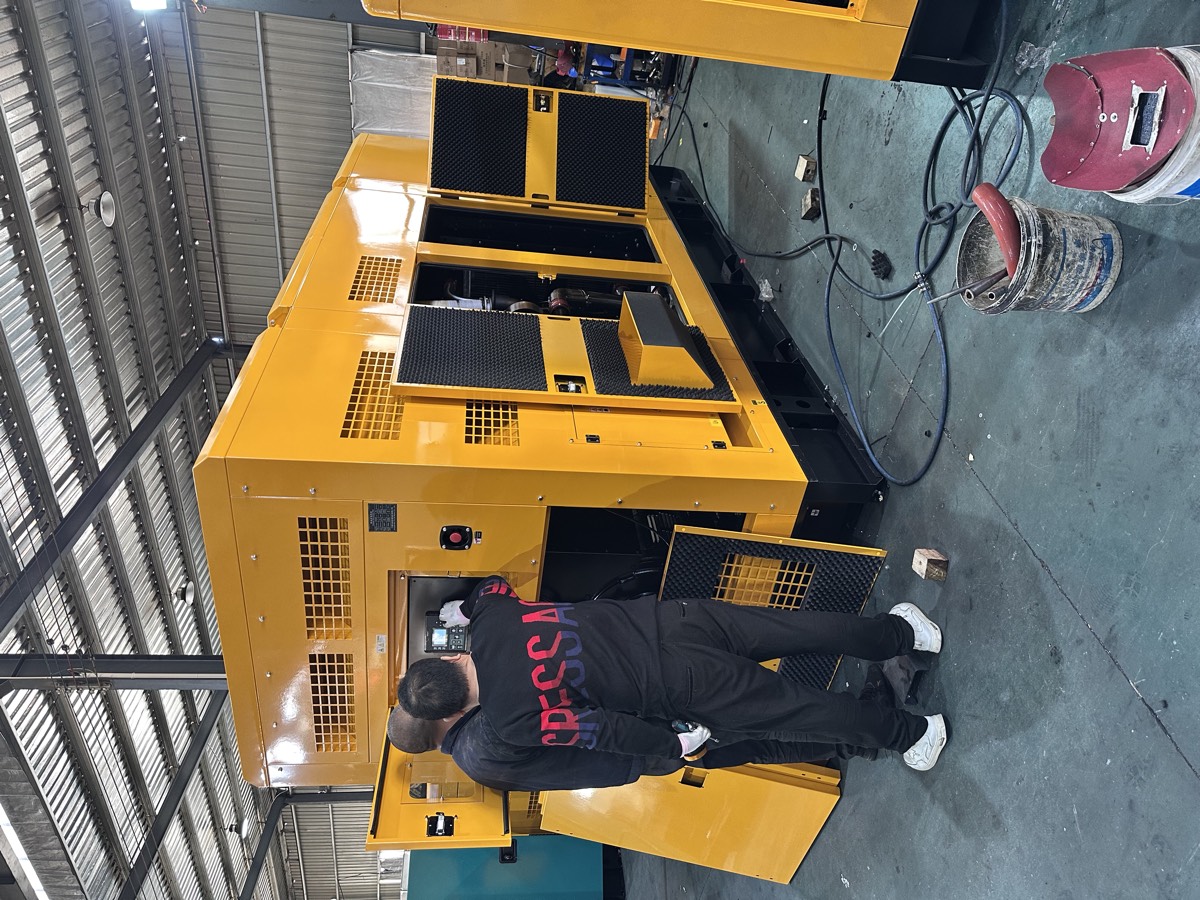
The same generator is commonly rated for standby, prime and continuous duty, and the figures differ because each assumes a different pattern of running hours and load. Standby is the highest and assumes occasional use; prime is the working rating for a set that carries a variable load; continuous is the lowest and assumes an unchanging load for unlimited hours.
Why the same machine carries three numbers
A diesel generating set is a mechanical device with thermal limits, and those limits depend on how hard it is worked over time. Run it occasionally at high output and it has long stretches to cool. Run it continuously at a steady load and the same components sit at temperature permanently. The machine has not changed, but what it can safely be asked to do has.
Manufacturers express that difference as separate ratings on the same data sheet: standby, prime and continuous. They are not marketing tiers and they are not optional extras. They are three different statements about duty, each with its own assumptions written into the definition.
The reason this matters commercially is that the numbers are not close. The gap between standby and continuous on the same set is substantial, and a quotation that names only a kVA figure without naming the rating has left the most important assumption unstated.
What each rating assumes about how you run it
Standby assumes the set is a backup: it sits idle for most of the year and runs during an outage or a test. Because the running hours are limited and the load is not sustained, the set can be offered at its highest figure. A standby rating is not a licence to run the site on that set permanently.
Prime assumes the set is the working source: it carries a variable load for long hours, and the rating already allows for that duty. It is the figure a site should size against when the generator is the main supply rather than an occasional backup, and it is normally quoted with a limited overload allowance above it for short periods.
Continuous assumes a steady load at a constant level for unlimited hours. It is lower than prime because there is no relief in the duty pattern at all. A process that never stops, such as a cold store or a continuous production line, belongs in this class rather than in prime.
The three ratings side by side
The table sets the three against the duty each assumes and the figure each one represents. The last row is not a fourth rating; it is the overload allowance that some definitions attach to prime, and it exists for short events rather than for sizing.
Read the third column as relative rather than absolute. The exact gap between the three varies by model and by how the manufacturer defines its classes, and the binding figures are the ones printed on the data sheet for the specific engine and alternator.
| Rating | Duty it assumes | Relative output on the same set | What to quote against |
|---|---|---|---|
| Standby | Occasional running during outages, limited hours across the year | The highest of the three | Only a set that genuinely sits idle between events |
| Prime | Long hours at a variable load, with a limited overload allowance | The working rating, below standby | A site whose main supply is the generator |
| Continuous | A steady load at a constant level for unlimited hours | The lowest of the three | Process loads that never stop |
| Overload allowance | Short periods above prime, defined per model with a time limit | Above prime, for the stated period only | Never used as the sizing figure |
Aligning the quotation before you compare prices
Two quotations for what look like the same machine can differ because one is a standby figure and one is a prime figure. Comparing them as though the rating were identical produces a conclusion about price when the real difference is duty, and it will usually make the lower number look like a better deal when it is a weaker promise.
The fix is procedural rather than technical. When a quotation arrives, check that it names the rating, states the kW at a stated power factor, and states the conditions the rating assumes. If any of the three is missing, the figure is not yet comparable with anything, and the sizing guide sets out how the demand side should be expressed so the comparison is like for like.
It is also worth asking directly which rating the price refers to. A supplier who answers that question immediately is working from a configured offer; one who has to check is telling you the number was assembled for the occasion.
Where buyers lose money on the wrong rating
The commonest error is buying a standby set to be the main supply. It works for a while, then the hours accumulate and the set starts showing the symptoms of being run outside its class: higher temperatures, shorter component life, and a warranty conversation that turns on how the set was used rather than whether it failed.
The second is the reverse: paying for a continuous rating on a set that will only ever run during outages. That is a real cost for no benefit, and it usually happens when a buyer reads a specification without knowing which class their duty falls into.
The third is subtler. A site sizes on prime, then adds load over two years without revisiting the figure, until the set is operating above prime for long stretches and the margin the rating provided has quietly been spent. The load band question and the site derating both interact with this, because a set can be inside its rating on paper and outside it in practice.
Three questions that settle it
First, how many hours a day and how many days a year will the set run, including the quiet periods. Second, is the load steady or does it swing, and what is the largest step it has to absorb. Third, what is the longest single run the site will ever ask for, because that is what thermal saturation is about.
Those three answers place the site in one of the classes without argument. Everything after that is configuration: which engine, which alternator, which cooling package, and what the site conditions do to the figure, as set out in high-temperature derating.
Where the duty is genuinely mixed, a site can end up better served by two sets than by one compromise, and the coordination question is covered in ATS panel. What should not happen is a single rating being stretched to cover two different duties without anyone writing down which assumption was chosen.
FAQ
What is the difference between prime and standby ratings?
Standby assumes occasional running during outages, so it can be offered at the highest figure. Prime assumes long hours at a variable load and is lower because that duty is sustained. The engine and alternator are the same; the promise about how they will be used is different.
Can I run a standby-rated generator continuously?
Not within its standby rating. Running it that way takes it outside the assumptions the rating was built on, which shows up as higher temperatures and shorter component life rather than as an immediate failure.
Which rating should a site with regular power cuts size against?
Prime, if the generator is carrying the site for long stretches rather than covering an occasional outage. The pattern of hours decides the class, not the fact that the site also has a utility supply.
Why do two quotations for the same kVA differ so much?
Very often because they are quoting different ratings. A standby figure and a prime figure for the same machine are not the same offer, and comparing them without aligning the duty produces a false conclusion about price.
Does the overload allowance change the size I need?
No. It exists for short events above prime and is time-limited by definition. Sizing on the overload figure is sizing on a condition the set is not designed to hold.
