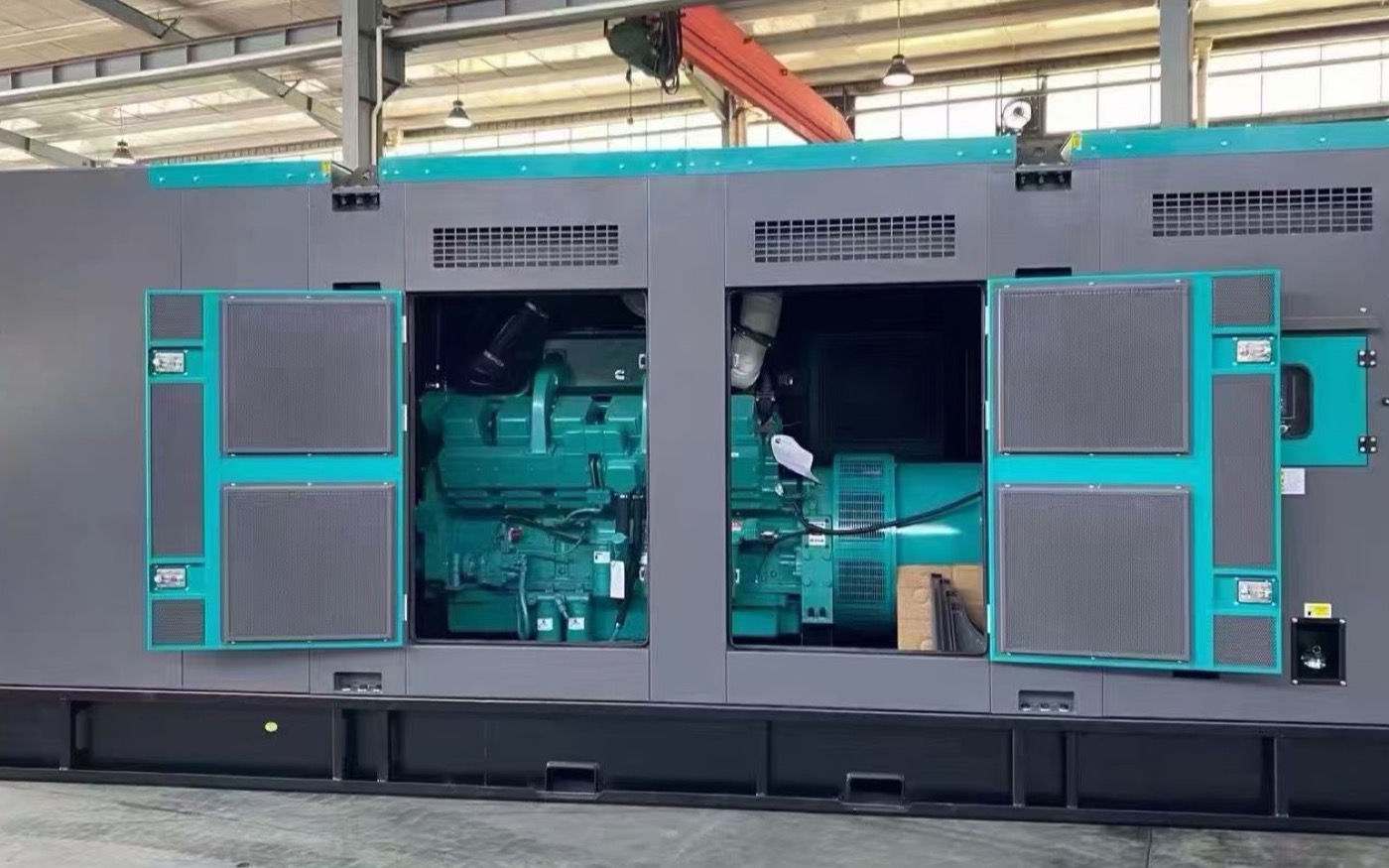
This page is for mall owners, facility teams and contractors who need a technical quotation. It is not a fixed-price page because the correct scope depends on backup zoning, lift strategy, cooling demand and duty profile.
Why shopping malls are easy to mis-size
Mall projects often mix landlord loads and tenant expectations. Common-area lighting may look modest, but chillers, lifts, pressure pumps, fire systems, ventilation fans and selected tenant circuits can move the real requirement much higher.
Some projects only need essential backup for circulation and safety. Others need broader tenant continuity. That choice changes the most practical generator range.
Main quotation checks for mall backup
A mall RFQ should show which loads are essential and which are optional or phased.
| Load or scope item | Why it matters |
|---|---|
| Common-area lighting and sockets | These are often the basic continuity loads for mall operations. |
| Chillers and large HVAC motors | Cooling equipment can dominate both running load and motor-start demand. |
| Lifts, pumps and ventilation | These building services can change the recommended generator size and transfer logic. |
| Tenant backup scope | Some projects power only selected tenant panels while others keep only common services alive. |
| ATS or zoning logic | Phased transfer can improve control and help avoid oversizing the package. |
How to send a better mall RFQ
Share the mall type, landlord common-area loads, largest motors, lift count, HVAC arrangement, pumps, selected tenant scope, ATS logic and preferred shipping basis.
If the mall project is in Lagos, review the Lagos diesel generator supplier and CIF quote guide. For hospitality or mixed-use cases, also review the hotel generator guide, the ATS panel guide and the 160kVA quote guide.
FAQ
Can one mall generator cover every tenant and landlord load together?
Sometimes, but many mall projects use phased backup priorities. The generator recommendation depends on whether chillers, lifts, common areas and tenant loads must run together or in zones.
Is ATS important for a shopping mall generator?
Usually yes. ATS planning helps maintain circulation, security, pumps and critical building services during utility failure.
Should chillers and lifts be listed separately in the RFQ?
Yes. Chillers, lifts, pumps and ventilation motors can change the recommended generator size more than small lighting and socket loads.