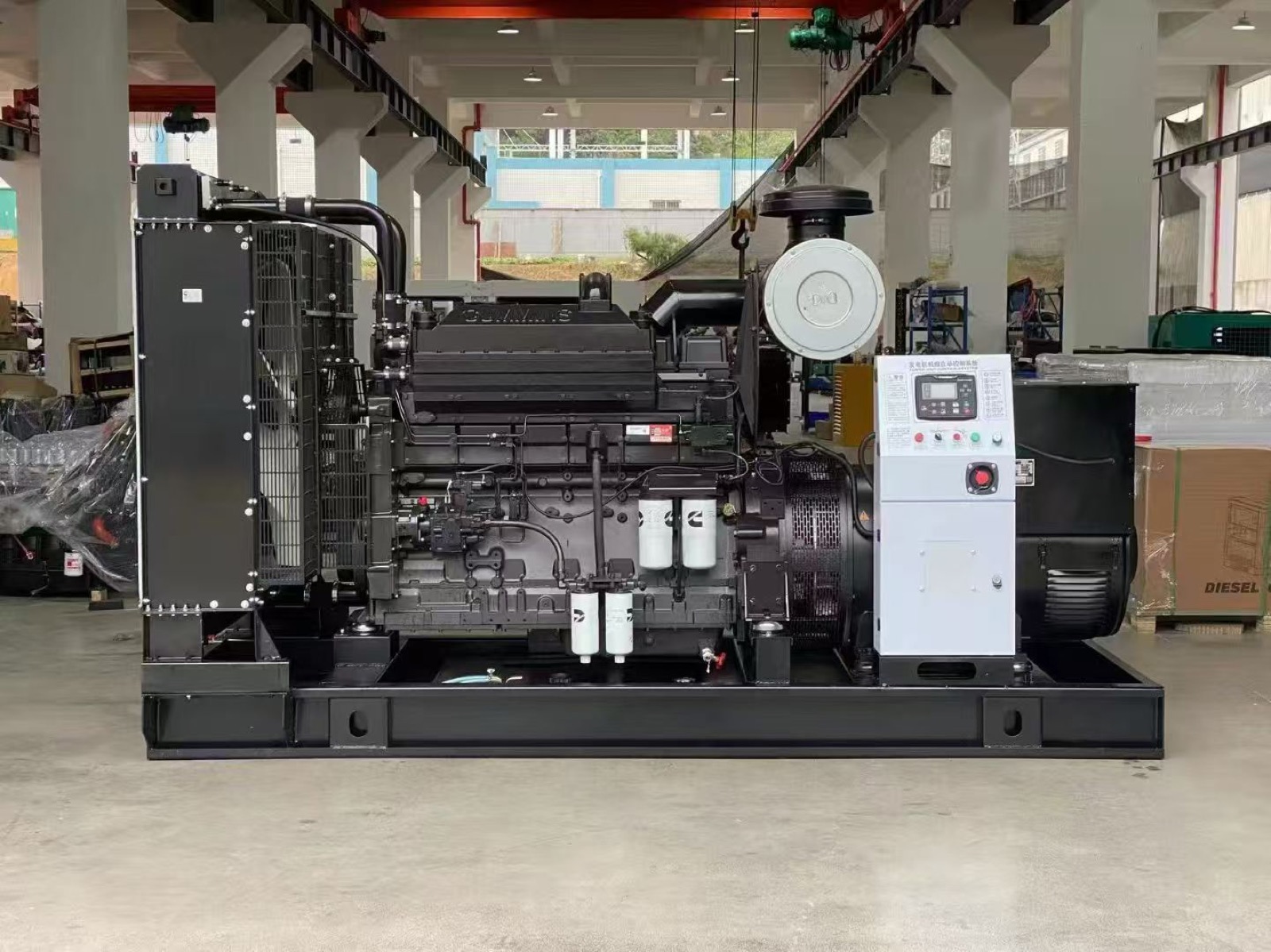
A standby generator is either a separately derived source, in which case its neutral is bonded to earth at one point and the changeover must switch the neutral, or it is not, in which case re-bonding creates a second path. Which one applies decides whether three-pole or four-pole switching is correct.
Why earthing decides whether a breaker trips at all
A protective device trips when enough current flows through it. On a short circuit that current has to have a path back to the source. Earthing is what provides that path, and where the path is missing or has too much resistance, the fault current is too small to operate the breaker, so the fault persists as a touch voltage on metalwork instead of clearing. How much fault current is available at all depends on the capacity of the source, which is the subject of kW, kVA and kWh.
That is the whole reason earthing is not a formality. A generator installation that runs perfectly for years proves only that no fault has occurred yet. The earthing system is the part that determines what happens on the day one does.
The rules that govern the design vary by country and by the distribution company's requirements, and they are enforced through the electrical contractor and the authority having jurisdiction. This page explains the principles so that the conversation with that contractor is a real one; it is not a design document.
TT and TN: who provides the earth path
In a TT arrangement the installation has its own earth electrode and the earth path does not rely on the supply company's neutral. Fault current returns through the soil, which has relatively high resistance, so the fault current is limited and protection usually depends on a residual current device rather than on an overcurrent breaker alone.
In a TN arrangement the installation is connected to the supply's earthed point through a protective conductor, so the fault loop is metallic and the fault current is high enough for an ordinary breaker to clear quickly. TN-C-S is the common hybrid where the neutral and protective functions are combined on the supply side and separated at the origin.
A generator added to an installation does not change which of these the installation is. What it changes is whether there is now a second source with its own relationship to earth, and that is the question the next section covers. Protecting motor circuits on the same board is a separate calculation, covered in three-phase motor sizing.
The generator neutral: bonded or floating
A generator can be supplied with its neutral isolated from its frame, or bonded to it at the factory. Neither is wrong in itself; they belong to different installation designs. What is wrong is having a bond that does not match the design, because the consequence is either a missing earth path or a parallel one.
Where the generator is the only source, it is a separately derived system, and the convention is to bond neutral to earth at one point and to provide an electrode at the set. Where the generator runs in parallel with, or is switched alongside, a supply that already has an earthed neutral, bonding the generator neutral as well creates a second parallel path, and protective devices can end up seeing current they were not designed to carry.
The practical check is to establish what the set was built with and then confirm it against the site design in writing. A factory can tell you whether the neutral is bonded; only the site designer can tell you whether it should be.
Three-pole or four-pole: the decision the ATS encodes
The changeover is where this becomes concrete. A four-pole device switches the neutral as well as the three phases, which means the generator's neutral-earth bond is disconnected from the installation whenever the supply is running. A three-pole device leaves the neutral continuous, so any bond at the generator stays in circuit permanently.
So the choice follows from the neutral decision, not from preference. If the generator is a separately derived source with its own bond, switching the neutral is what keeps that bond from existing in parallel with the supply's. If the design treats the generator as not separately derived, a solid neutral and a three-pole device can be correct.
Getting this wrong produces symptoms that look like something else entirely: nuisance tripping of residual current devices, current on earthing conductors that should carry none, or a protective device that refuses to operate on a genuine fault. Each of those sends people looking at the generator when the answer is in the changeover. The ATS panel page covers the switching and control side.
| Arrangement | Generator neutral | Earth electrode | Changeover |
|---|---|---|---|
| Generator is the only source for the site | Bonded to earth at one point, at the set | Electrode at the generator | Four-pole, so the neutral is switched with the phases |
| Generator switched alongside a TN supply | Not re-bonded at the set | Earth path back to the installation origin | Depends on the design; three-pole is common |
| Site is a TT installation | Bonded at the source, once | Electrode at the installation | Four-pole where the neutral is switched |
| Two generators, one at a time | Bonded at each set only if it is the sole source when running | Electrode arrangement per design | Must not leave two bonds in circuit together |
| Generator earthed only through its frame | No designed bond | None at the set | Unsafe: the frame is not an electrode |
What resistance to aim for, and how it is measured
A target of five ohms or less for the earth electrode is the figure commonly quoted in Nigerian practice for this kind of installation, and it is the number to design towards unless the site's own authority specifies otherwise. Lower is better, and some designs require considerably lower, particularly where protection depends on the earth path rather than on a residual current device.
Measurement is by a dedicated earth tester using the fall-of-potential method with temporary stakes, not by a multimeter between the electrode and a convenient piece of metal. A multimeter reading tells you almost nothing, because it measures a loop that includes whatever else is earthed, and that is exactly what the test is meant to exclude.
The figure also has to be maintained. Electrodes dry out, connections corrode and rods get damaged by construction work. A reading taken at commissioning and never repeated is a record of what the site used to be, which is why the inspection interval belongs in the maintenance schedule alongside the mechanical items in maintenance service.
The mis-wirings that show up most often
The most common is using the generator frame as the earth connection and nothing more. The frame is bonded to the earth system; it is not a substitute for an electrode or for a protective conductor back to the origin, and a fault that energises the frame then waits for someone to touch it.
The second is bonding the neutral at both the generator and the installation. Two bonds mean part of the neutral current returns through the earth path, which can hold metalwork at a potential above earth even when nothing is faulty, and can make residual current devices trip for no apparent reason.
The third is a bonding conductor sized by eye rather than by calculation, and the fourth is a changeover installed as three-pole on a system designed for four. Both are cheap to correct at installation and expensive to discover afterwards, because the symptom appears as an intermittent electrical fault that nobody can reproduce.
FAQ
Does a standby generator need its own earth electrode?
Where the generator is a separately derived source, yes: the convention is a bond at one point and an electrode at the set. Where it is switched alongside a supply that already provides the earth path, the design may not call for one. The site design decides, and it should be confirmed in writing.
Should the generator neutral be connected to earth?
It should match the installation design. Bonding is correct for a separately derived system and incorrect where it would create a second parallel path alongside an existing bond. Establishing what the set was built with is the first step.
When is a four-pole changeover required?
When the generator neutral is bonded and that bond has to be disconnected while the other supply is running. If the neutral is not switched, the bond stays in circuit in parallel with the supply, which is the condition the four-pole device exists to prevent.
What earth resistance should I aim for?
Five ohms or less is the figure commonly quoted for this class of installation in Nigeria, with lower values required where protection depends on the earth path. The site's own authority and contractor set the binding requirement.
Can I test earth resistance with a multimeter?
No. A multimeter measures a loop that includes everything else bonded to earth, which is what the test needs to exclude. Fall-of-potential testing with an earth tester and temporary stakes is the method that gives a usable figure.
