WhatsApp: +86 157 0593 2345Email: miu@taiyudapu.comCall the factory: +86 157 0593 2345
Generator buying guides

Generator Factory Acceptance Test for Nigeria Buyers

A factory acceptance test should show more than a quick startup video. Serious generator buyers need the agreed model, rating, controller logic, alarms, accessories and load-test evidence before approving shipment or payment release.

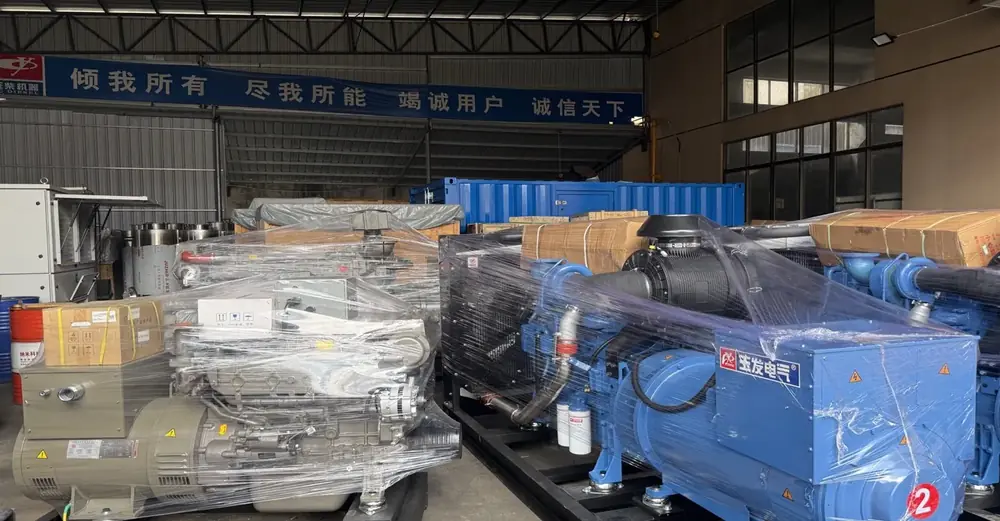
Real industrial diesel generator undergoing factory checks before export quotation approval
Real factory inspection scene. Final FAT scope should match the signed commercial and technical order details.
Buyer principle

A FAT is most useful when it checks the exact order scope, not a generic generator sample. The buyer should define what evidence is required before shipment approval or final payment release.

Why a factory acceptance test matters for Nigeria orders

Generator imports involve technical, commercial and logistics decisions before the machine reaches site. A practical FAT reduces confusion by checking whether the ordered configuration is the same as the equipment prepared for dispatch.

This is especially important when the buyer has specified engine brand, alternator, controller, canopy type, breaker scope, ATS preparation or export documents.

Factory acceptance test checklist

Factory acceptance test checks, what to confirm, and why each matters
Check itemWhat to confirmWhy it matters
Nameplate and ratingModel, prime/standby rating, voltage, frequency and serial informationConfirms the equipment matches the ordered specification.
Controller setupController model, start-stop logic, alarms and display readingsReduces surprises during site commissioning.
Mechanical inspectionEngine, alternator, canopy, base tank, breaker and cable pointsChecks visible build quality and ordered accessories.
No-load runningStart sequence, oil pressure, voltage, frequency and abnormal vibrationShows the set operates normally before loading.
Load testAgreed load-bank level, voltage stability, frequency stability and alarmsProvides stronger evidence than a brief idle-running video.
Shutdown and protectionEmergency stop, fault alarms or agreed shutdown simulationsVerifies basic protective functions.

Documents and media evidence to request

A useful FAT package can include photos, test video, control-panel close-ups, nameplate images, packing images and the document list that belongs to the order. Buyers should also ask which items are still to be completed after FAT, such as final packing or shipping marks.

For broader procurement control, compare this page with the pre-shipment inspection guide, the CIF Lagos shipping guide and the China to Nigeria import guide.

The wider acceptance checklist, including documents to retain, is in inspection and acceptance checklist.

FAT is not the end of project verification

Factory acceptance does not replace site checks. Installation, cable sizing, earthing, fuel arrangement, exhaust routing, ATS integration and actual site load performance still need local engineering review.

Build your generator FAT request

Enter the known order details. The form creates a structured WhatsApp message so the requested tests and evidence can be reviewed against the proposed generator.

Your entries are used only to build the WhatsApp message.

Frequently asked questions

What should a generator FAT include?

A useful FAT should confirm the model and rating, controller functions, no-load and load-running behaviour, alarms, accessories, documents and packing evidence agreed in the order scope.

Is a factory acceptance test the same as site commissioning?

No. FAT checks the generator package before shipment, while site commissioning confirms installation, cabling, earthing, fuel system, transfer logic and load performance at the actual project.

When should FAT requirements be written?

The FAT scope should be written before production or before final payment review so both buyer and supplier know what evidence must be provided.

What a factory acceptance test is for

A factory acceptance test is the formal moment when the machine is shown to meet the specification, in the factory's own environment, before it is packed. Its purpose is not to demonstrate that the set starts, which any set will do. It is to produce evidence on the points where a failure would be expensive to correct after shipment: output at rating, temperature stability, electrical integrity, protection behaviour and control sequence.

Because it happens before packing, it is also the last opportunity to inspect connections, routing and component identity that will be hidden behind panels and crates. A test that runs the set but never opens anything has verified the machine's behaviour and not its build.

The test should be described in the order documentation rather than agreed on the day. A test whose scope is settled when the buyer arrives is a test designed around what is convenient to show.

The sequence, and why the order matters

A defensible sequence starts with identity and inspection, then moves to electrical checks with the set stopped, then runs the machine unloaded, then applies load in steps, and finishes with the protection and control functions. That order means each stage is checked against a machine already known to be correctly assembled, so a failure at a later stage can be attributed rather than guessed at.

The loaded stage is the one that matters most and the one most often shortened. Temperature has to be allowed to stabilise rather than sampled while it is still climbing; a reading taken early will look acceptable on a machine that would have continued to heat. Holding the load for long enough to see the trend is the difference between a test and a demonstration.

Protection testing comes last because it may trip the machine. Testing a shutdown before the loaded run means the loaded run happens on a set that has already been disturbed, and the readings become harder to interpret.

The test items in detail

The table sets out the items that should appear in the test sheet, with the acceptance question each one answers. The criteria themselves come from the specification and the manufacturer's data; what the buyer should insist on is that the criteria are written down before the test rather than decided afterwards.

Factory acceptance test items and the acceptance question each answers
Test itemAcceptance questionEvidence in the sheet
Identity and build inspectionAre the engine, alternator, controller and accessories the specified ones?Model and serial numbers, photographs
Insulation resistanceAre the windings sound and dry?Measured value and instrument
No-load runDoes it start, build voltage and hold frequency?Voltage and frequency readings
Stepped load applicationDo voltage and frequency recover acceptably at each step?Readings before and after each step
Sustained run at ratingDo temperatures stabilise within limits at the stated ambient?Coolant and oil temperature trend, duration
Protection operationDo alarms and shutdowns act at their set points?Function tested, set point, observed action
Control and transfer logicDoes start, stop and transfer behave as specified in each mode?Sequence observed, mode by mode
Fuel and ancillary systemsAre the tank, filters, batteries and accessories fitted and working?Item list against the order

Hold points and sign-off

A hold point is a stage where the process stops until the buyer or the appointed representative releases it. The most useful hold points are before packing and before the enclosure is closed, because those are the moments when a correction is still cheap. Without them, the test becomes a report rather than a decision.

Sign-off should name the person, the date and the document version tested. A signature against an undated sheet, or against a specification that was revised afterwards, is worth very little in a dispute.

Where the buyer cannot attend, the same structure works with a third-party inspector given the written checklist. What does not work is delegating the judgement to a general instruction to check the machine, because the inspector then reports what he saw rather than what was required.

What the test cannot cover

The factory cannot reproduce the site. Cooling depends on the room the set will sit in, starting depends on the load it will see, and stability depends on the earthing and cabling of the installation. A factory test therefore establishes the machine's capability under the factory's conditions, and the site test establishes the installation. Both are needed, and neither substitutes for the other.

Where there is no load bank in the factory, the loaded items cannot be witnessed there at all. That should be stated in the quotation and planned for at the site, rather than discovered when the test sheet arrives with the loaded rows empty. The practical alternative is described in generator load bank testing.

A factory test is also not a durability test. It shows that the machine performs on the day, not how it will perform after a year of part-load running, which is a function of its duty and its maintenance rather than of its acceptance.

Disagreement, retest and release

When an item does not meet its criterion, the useful response is specific: which item, what was measured, what was required, and what the supplier proposes. A general statement that the machine is within tolerance is not a response to a measured deviation.

Retesting should repeat the failed item and any item affected by the correction, not the whole programme. Recording both the failure and the retest in the same sheet is what makes the final document honest, and it is also what allows the buyer to see whether the correction was a fix or an adjustment of the criterion.

Release follows the signature, and shipment follows the release. A machine that has shipped without a completed sheet has been accepted by default, which is a decision the buyer has made without meaning to.