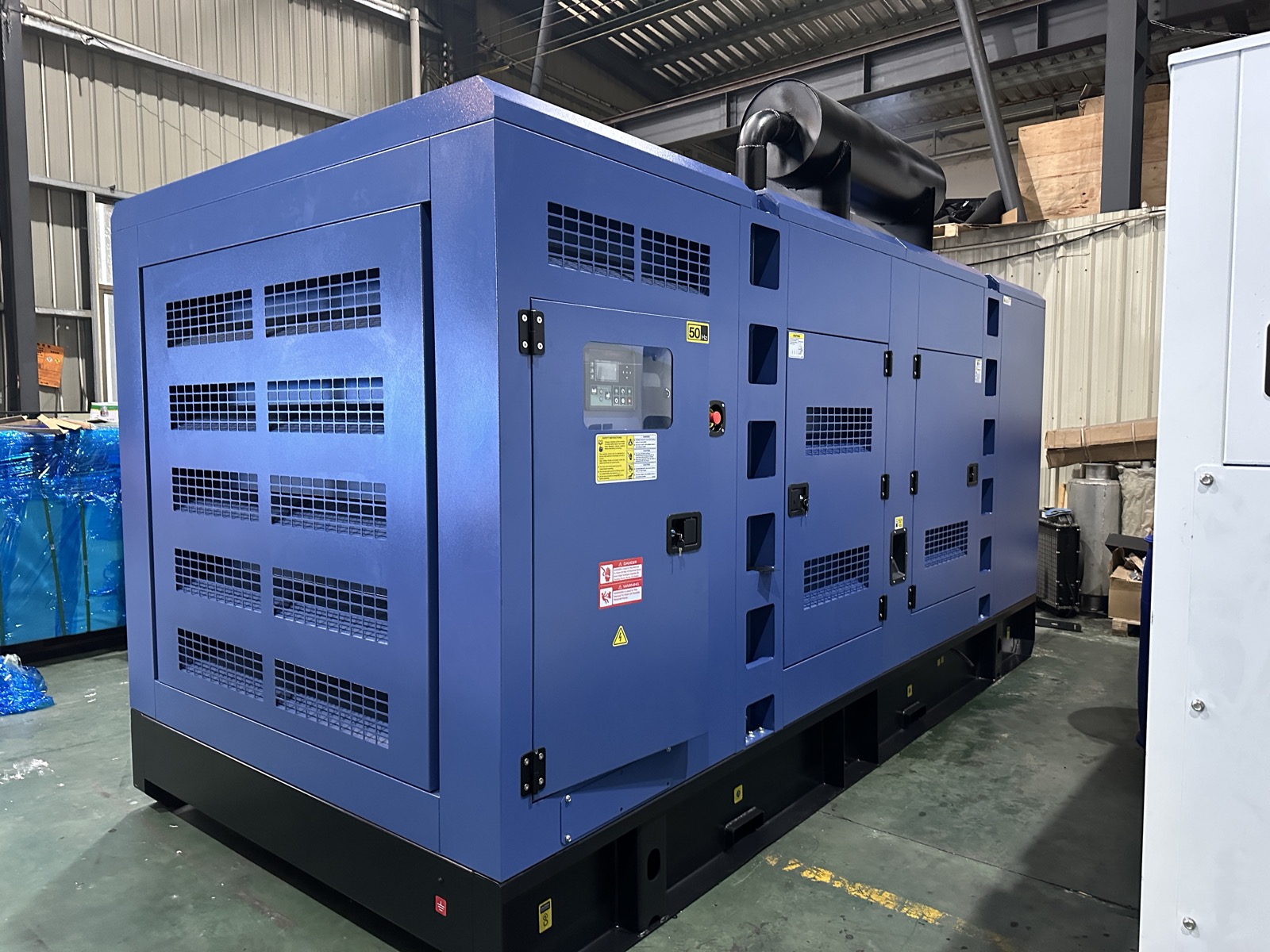
Most first-start failures after storage are fuel, battery or coolant, in that order. Check all three before the starter turns once.
What storage actually damages
An engine that is running stays lubricated, charged and dry inside. An engine that is standing does the opposite on all three counts. Oil drains off the bores and the upper valvetrain, so the first revolution after months is closer to metal on metal than any other start in the engine's life. The battery self-discharges slowly even with the terminals disconnected, and faster if something is left connected. And the fuel sitting in the tank and the lines is in contact with air and with whatever water came in with it.
Diesel is not a stable product over long storage. The lighter fractions evaporate, the fuel oxidises, and biological growth can form at the water interface. In a humid climate the tank breathes moist air on every temperature swing, and the water condenses out and settles at the bottom, which is exactly where the pickup sits. That is why a set that ran perfectly when it was parked can refuse to start without anything having "broken".
The damage is not evenly distributed. The fuel system and the battery account for most no-start conditions after storage, the coolant and the air path for most of the rest, and the mechanical condition of the engine is usually the least of it. That ordering is what the check list below follows.
The order to check in, and why the order matters
Check in the order fuel, oil, coolant, air, battery, then bar over by hand. The order is not arbitrary. Fuel and coolant faults can destroy the engine if it starts, so they come before anything that might make it start. Battery comes late because a charged battery on a set with contaminated fuel simply cranks a dry or dirty system and fills the filters with water.
Barring over by hand comes last because it is the check that protects the starter. If the engine is hydraulically locked by coolant or by fuel, the starter will try to compress a liquid and something will break. A bar and a socket on the front pulley cost a minute and can save a starter, a flywheel ring gear or worse.
Only when all six pass does the first crank make sense. If any of them fails, fix that one thing first and start the sequence again from the top, because a fuel drain usually disturbs the lines and a coolant top-up usually reveals a leak that has to be found before running.
Fuel and water: the first thing to look at
Draw a sample from the bottom of the tank, not from the filler neck. What you are looking for is a clear amber colour with no separate water layer and no dark sediment. Cloudiness suggests water in suspension; a distinct line near the bottom of the sample jar is free water; dark sludge is biological growth or oxidised fuel. Any of those means the tank is drained and cleaned before the set is run, because the filters will not save an injector pump from a steady supply of water.
If the fuel looks good, open the water trap on the filter housing and drain until clean fuel runs. Then check the filter dates if they are marked. A filter that has been sitting in contact with wet fuel is worth replacing before the first run rather than after the first stall, and the guide to diesel quality and water contamination covers what to do with a tank that has already taken water.
Do not overlook the lines and the injection pump. On a set that has stood for a long time, the fuel in the low-pressure side may have drained back, and the system will need priming rather than cranking. Cranking a dry pump to prime it is hard on the starter and does nothing for the pump.
Oil and coolant, and what "looks fine" misses
Oil level is a dipstick check, but oil condition is not. Look at the colour and the feel: black and thin is normal on a diesel after service, milky or grey suggests water, and a fuel smell with a rising level suggests a lift pump or injector leak diluting the sump. If the set has stood for a long period, an oil and filter change before the first run is the cheaper choice, because the oil that has been sitting has also been draining off the surfaces it was meant to protect.
Coolant is the check most often skipped and the one most likely to turn a first start into a repair. Open the cap only when the engine is cold. The level should be at the mark, and the liquid should be clean rather than rusty or oily. A low level with no visible leak can mean it went into a cylinder, which is precisely the case that a hydraulic lock makes dangerous. If the level has dropped and you cannot see where it went, do not crank the engine: pressure-test the cooling system first.
Check the hoses and the belt while the cap is off. A belt that has taken a set in one position for months can crack at the point where it wrapped the smallest pulley, and a hose that has dried out will often fail within the first hour of running rather than at the moment you look at it.
Air path and battery
The air filter is a visual check: hold it up to the light, look for a dust cake, and look for rodent nests or debris in the housing, which is a real risk on a set stored in a shed. A clogged filter makes the engine run rich, which shows as black smoke under load and, on a turbocharged set, as higher exhaust temperature. Replace it rather than tapping it out if it is heavily loaded, because tapping damages the pleats and lets the dust through afterwards.
The battery is where a lot of first starts fail. A battery that reads a healthy open-circuit voltage can still have almost no capacity left, so the useful test is a load test or a crank attempt with a known-good substitute. Check the terminals for corrosion and the electrolyte level if the battery is serviceable. A battery that has been sitting for months is usually best replaced rather than coaxed, because a weak battery cranks slowly, the set fails to start, and the operator concludes the engine is faulty. The battery and starting system guide covers charging and replacement in more detail.
Barring over by hand, and what it tells you
With the fuel off and the ignition or controller isolated, put a bar on the front pulley or the flywheel and turn the engine through two full revolutions. It should turn smoothly with resistance from compression at each cylinder and no tight spot. A hard stop at one point suggests liquid in a cylinder; a tight spot that repeats suggests a bearing or a bent component; a completely free turn with no compression suggests valve or piston-ring trouble.
On a set with a decompression lever, use it for the first turn and then release it to feel the compression. On a large set the barring gear may be built in, in which case follow the manufacturer's procedure rather than improvising. If the engine will not turn by hand, stop: the next step is not a bigger bar and it is certainly not the starter.
The check table
Use this as the order of work, and treat a fail at any row as a stop until it is resolved. The pass criteria are deliberately simple so that an operator can apply them without instruments, but they are not a substitute for the manufacturer's commissioning procedure on a large set.
| Check | What to look for | Pass criteria |
|---|---|---|
| Fuel sample | Colour, water layer, sediment | Clear amber, no free water, no sludge |
| Water trap | Water at the filter drain | Clean fuel runs before the trap closes |
| Engine oil | Level, colour, smell | At the mark, not milky, no fuel smell |
| Coolant | Level, condition, hoses, belt | At the mark, clean, no cracked belt |
| Air filter | Dust load, nests, housing | Light passes through, housing clear |
| Battery | Terminals, voltage under load | Cranks strongly, terminals clean |
| Barring over | Two full turns by hand | Smooth, compression on every cylinder, no hard stop |
If a row fails, fix that row and restart from the top. A fuel drain disturbs the lines, and a coolant top-up can reveal a leak that only shows when the system is full.
First run, then load in steps
Start the engine off load and let it reach rated speed. On a 50 Hz set that is 1500 rpm for a four-pole machine, and the frequency should settle at 50 Hz with the voltage at 230 V single-phase or 415 V three-phase. Watch the oil pressure gauge from the first second: it should rise immediately and hold steady as the engine warms. If it does not, stop.
Let it run off load long enough to confirm the temperature is stable and the exhaust is clean. Then apply load in steps, roughly a quarter, a half, three quarters and full, holding each step long enough for the readings to settle. At each step watch the same four things: frequency, voltage, coolant temperature and exhaust colour. A set that is fine at no load and misbehaves at half load is telling you something the no-load run could not.
The first loaded run is also the moment to check for leaks that only appear under pressure: fuel at the filter head, coolant at the hose clamps, oil at the filter seal. A drip that is invisible when cold can become a stream when the system is hot, and the maintenance schedule is the right place to record what you found so the next service starts from a known baseline.
When to stop rather than persist
Stop for oil pressure that does not rise, or that falls as the engine warms. Stop for coolant temperature that climbs with no load on the set. Stop for a knock, a heavy metallic noise or a vibration that was not there before storage. Stop for continuous white smoke with a falling coolant level, which points at coolant entering a cylinder. Stop for runaway or for a governor that will not hold speed.
In each of those cases the cost of stopping is an hour and the cost of continuing is a repair. The temptation after months of storage is to keep cranking because the set "should" work, and that instinct is what turns a stuck valve into a broken piston. The no-start diagnosis page takes the sequence further once the basics above have passed and the engine still will not run.
Storage in Nigerian conditions
Two local factors shorten the safe storage window. The first is humidity, particularly on the coast, where a tank breathes moist air every night and condenses water into the fuel. The second is dust, which in the north arrives with the harmattan and finds every open intake and every gap in a canopy. A set stored with the air intake open and the canopy doors ajar will have a dust-loaded filter and often a nest in the housing by the time it is needed.
The practical response is to store the set full or empty rather than half full, keep the tank breather working and the filler sealed, keep the battery on a maintenance charger or disconnected and stored cool, and cover the air intake. If the set is on standby for a hospital or a data centre, a monthly no-load run and a quarterly loaded run is a far better use of an hour than a single heroic start after a year.
The commissioning sequence above is also the right one after a set has been shipped and installed. A set that has crossed an ocean in a container has been standing for weeks, and the same fuel, coolant and battery checks apply before the first start on site.
What to send us if it still will not start
Send the engine model and the serial number, how long the set was stored and whether the tank was full, what the fuel sample looked like, the battery voltage before cranking, whether the engine turns by hand, and what happens when the starter is engaged. A short video of the crank attempt with the sound is worth more than a paragraph, because a slow crank, a fast crank with no fire and a crank that stops dead are three different faults.
FAQ
Can I start a generator that has been sitting for a year?
Not on the old fuel and the old battery. Diesel deteriorates and can carry water and sediment, and a battery self-discharges even when disconnected. Drain or polish the fuel, check the oil and coolant, and confirm the battery holds charge before the first crank.
How do I know if the diesel in the tank is still usable?
Look at a sample drawn from the bottom of the tank, not the top. Clear amber fuel with no water layer or sediment is a good sign; cloudy fuel, a distinct water line or dark sludge means the tank needs draining before the set is run.
Why bar the engine over by hand before starting?
It proves nothing is seized and nothing is hydraulically locked, and it costs a minute. If the engine will not turn by hand, cranking it on the starter applies far more force to the same blockage.
Should the first run be on load or off load?
Off load first, at rated speed, long enough to confirm oil pressure and that the voltage and frequency are steady. Load goes on in steps after that, watching the same readings, because a fault that is invisible at no load usually shows within the first load step.
What reading means I should stop the engine immediately?
Oil pressure that does not rise within the first few seconds, or that falls away as the engine warms, is a stop. So is a coolant temperature climbing without a load, or any knocking or heavy smoke that was not there before storage.
