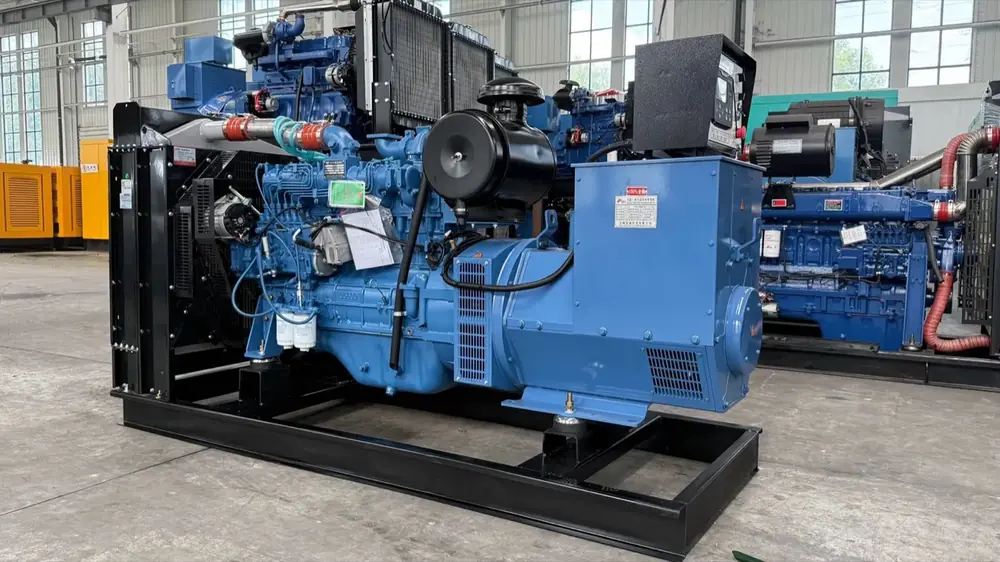
A price is the output of a specification, a delivery term and a date. Change any one of the three and the number moves, which is why a list that shows only a rating and a figure has not yet told you what you are buying.
Why a single table cannot settle the question
A price is the output of a specification, a delivery term and a date. Change any of the three and the number moves. That is not a commercial trick; it is what the arithmetic of an imported machine does when freight, duty and clearing sit between the factory and the site.
A list that shows only a rating and a figure has therefore hidden the two things that decide whether the figure applies to you: what is inside the machine, and where the seller's responsibility ends.
This site does not publish a price list. What follows is the structure a usable list would have to follow, so that a list you receive from any supplier can be read properly rather than compared on sight.
The lines every entry should carry
Treat each row below as a question to put to the list in front of you. Where a line is absent, the figure is not wrong; it is simply unqualified.
| Line | What it should say | Why it changes the number |
|---|---|---|
| Rating | kVA and kW, and the power factor the kVA figure is quoted at. | The same kVA label can describe different usable output. |
| Duty basis | Prime or standby, with the running assumption behind it. | The two describe different loading limits. |
| Engine | Model designation and rating, not the brand family alone. | Engines within one brand differ in cost and durability. |
| Alternator | Make, frame and excitation arrangement. | The electrical end decides motor-starting behaviour. |
| Controller | Functions offered and protection scope. | Changes both cost and what the set protects. |
| Enclosure | Open frame or sound-attenuated, and the treatment supplied. | A canopy is a substantial part of the build. |
| Electrical scope | Breaker, cabling interface and changeover arrangement. | The changeover can be a large separate item. |
| Fuel arrangement | Base tank or separate storage. | Storage is often quoted separately or left out. |
| Delivery term | FOB or CIF, with each side's responsibility named. | Freight and clearing sit between the two. |
| Validity | The date the figure holds until, and the basis it assumes. | Currency and freight move, so an undated figure cannot be relied on. |
| Exclusions | What the figure does not include. | The exclusions are where two offers usually differ. |
How to verify that a figure is current
A price list is a snapshot. The way to use one is to convert it into a dated quotation for your specification, then compare that against another dated quotation built the same way.
| Check | What to ask for |
|---|---|
| Date of the figure | The date the number was issued, and how long it holds. |
| Currency basis | Which currency the figure is in, and what it assumes about exchange. |
| Delivery term | Whether the figure stops at the port or reaches the site. |
| Scope confirmation | The specification the figure was built from, in writing. |
| Exclusions | The items the figure does not cover, listed rather than implied. |
Reading the kVA ladder rather than the row
Price does not rise in step with the rating. Between two neighbouring ratings the step can be small or large depending on whether the engine platform, the alternator frame or the enclosure changes at that point.
That is why a list is more useful read as a ladder than as isolated rows. If the step between two ratings is small, the larger set may be the better value for a load sitting near the boundary. If the step is large, the boundary is worth respecting.
The product directory lists the ratings this site describes, grouped by band: 10-30kVA, 30-100kVA and 100-300kVA, with the larger bands described separately. Comparing within a band is usually more informative than comparing across bands.
The lines that get left out of a cheap figure
A low figure is not automatically a bad faith figure. It is usually a narrower scope, and the narrowing is worth seeing before the order rather than after.
| Omitted line | How it comes back |
|---|---|
| Enclosure treatment | Added later, or the set arrives open when the site needed quiet. |
| Changeover arrangement | Quoted separately once the electrical contractor is on site. |
| Fuel storage | A separate purchase after the set is installed. |
| Commissioning and load test | Becomes an extra charge at handover. |
| Freight and clearing | Appears when a CIF figure is converted into a delivered cost. |
| Warranty administration | The work is available, but not from the party who quoted. |
Comparing two lists line by line
Put the two figures side by side and mark each line as stated, different or missing. The missing lines are the ones to resolve before choosing, because that is where the difference usually sits.
Where one figure is lower and several lines are missing, the difference may be describing a smaller scope rather than a better price. That is the single most common mistake made with a price list.
The quotation checklist turns the same logic into a list you can send to a supplier, and the 50kVA price and scope page shows the lines applied at one specific rating.
What to send to get a real number
A supplier cannot price a load they cannot see. The enquiry that produces a usable figure contains the load list, the largest motor and its starting method, the duty and the hours the set will run, the voltage, phase and frequency, the position and enclosure preference, and the delivery term.
Ask for the same specification priced on both terms if you are still deciding between them. The FOB China versus CIF Lagos guide explains what moves between the two, and the import decision guide covers how to choose between them.
If the rating itself is still open, the kW, kVA and kWh guide explains the unit conversion and the sizing guide covers how a load is built up from the equipment on site.
What the purchase figure does not tell you
The figure on a price list is a purchase cost. It says nothing about what the set will cost to run, and running cost is where two similar offers separate over a few years of service.
Fuel dominates the continuing cost of a diesel set, and fuel use follows the load the set carries rather than the rating on the plate. Maintenance and consumables add a second line, and the capital cost is recovered across the hours the set actually runs.
The cost per kWh page shows how those lines combine, the diesel price page covers the fuel input, and the load factor fuel calculator turns a rating into an hourly estimate you can price.
Ask for a dated, scoped figure
Send the load list, the largest motor and its starting method, the duty and hours, the voltage and frequency, and the delivery term. Ask for the figure with its validity date and its exclusions listed.
Get a written quotation
Three fields. We reply with the rating, the engine option and the delivery basis.
Price list questions
Do you publish a diesel generator price list?
No. A figure is built from a specification, a delivery term and a date, so this site quotes per order rather than publishing a table that would be ambiguous and quickly out of date.
Why do two suppliers quote different figures for the same rating?
Because the rating is one line of a longer specification. Engine, alternator, controller, enclosure, changeover scope, fuel arrangement and delivery term all change the offer, so the same label can describe two different machines.
How long does a quoted figure usually hold?
Ask the supplier for the validity period in writing, and for the basis it assumes. Currency and freight both move, so an undated figure cannot be reviewed later.
Is a bigger set always better value?
Not by itself. Read the kVA ladder: where the step between two ratings is small, the larger set may suit a load near the boundary. Where the step is large, the smaller rating is usually the better fit.
What is usually missing from a low figure?
Enclosure treatment, the changeover arrangement, fuel storage, commissioning and the destination-side costs. Each of those reappears later if it is not in the quotation.
Can an FOB figure be compared with a CIF figure?
Only after adding the missing leg to the FOB figure. The two describe different points in the journey, so the totals are not comparable until both sit on the same delivery term.
