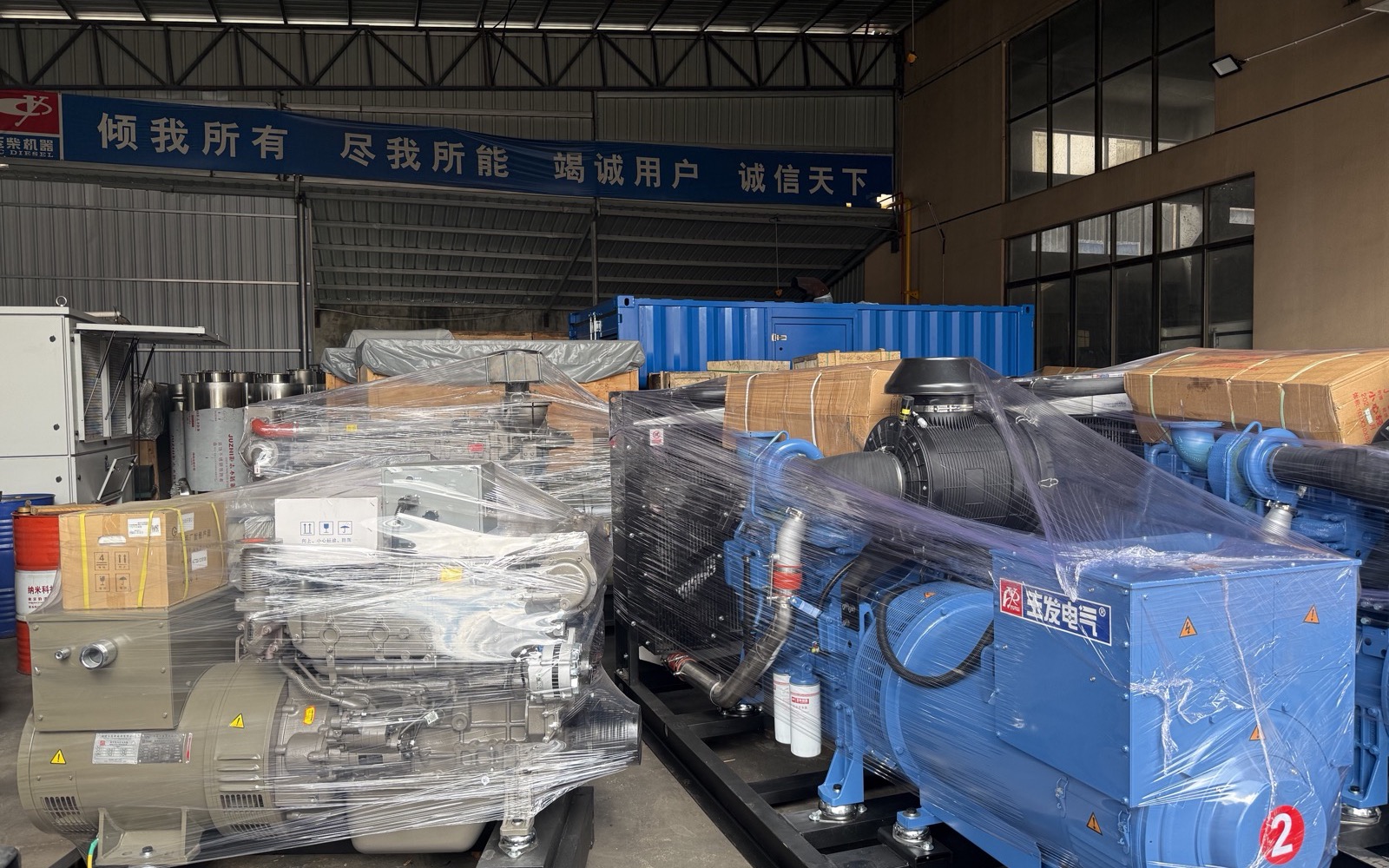
This page targets institutional procurement intent where campus backup planning matters more than a single generic generator size claim.
Why campus backup planning is different
A university campus usually has mixed loads: lecture halls, student housing, laboratories, administration, pumps, ICT rooms and sometimes cold-room or workshop areas.
Some campuses want one backup plant for selected critical buildings, while others phase the project by zone. That is why the quotation should start from the backup map instead of one headline kVA figure.
Campus quotation items buyers should confirm
Institutional buyers should define what is critical load and what can stay off during changeover.
| Campus issue | Why it matters |
|---|---|
| Priority buildings | Lecture halls, hostels, labs and pumps may not all need the same backup level. |
| Largest starting load | Pumps, chillers and workshop motors affect the recommendation. |
| ATS zoning | Multiple transfer zones can be more practical than one broad changeover point. |
| Daily runtime | Short outage coverage and long support operation need different planning. |
| Future expansion | Campus projects often add hostels, labs or blocks later. |
What to include in a campus RFQ
Send the priority building list, estimated load or existing transformer data, largest motor or chiller, ATS zoning requirement, enclosure preference and shipment basis.
If the project includes hospital-style medical loads or mixed hostel blocks, also review the hospital backup guide, the factory sizing guide and the kW kVA kWh guide.
FAQ
Can one generator power a whole university campus?
Sometimes, but many campuses are better planned by priority zones, building groups or critical-load blocks rather than one single plant for every load.
Do campus projects usually need ATS panels?
Many do, especially when critical buildings need automatic backup transfer. The exact scope depends on the site electrical design.
What is the best first document to send for a campus quote?
A load schedule, transformer data, single-line diagram or a simple priority-building list can all help start a practical quotation.
