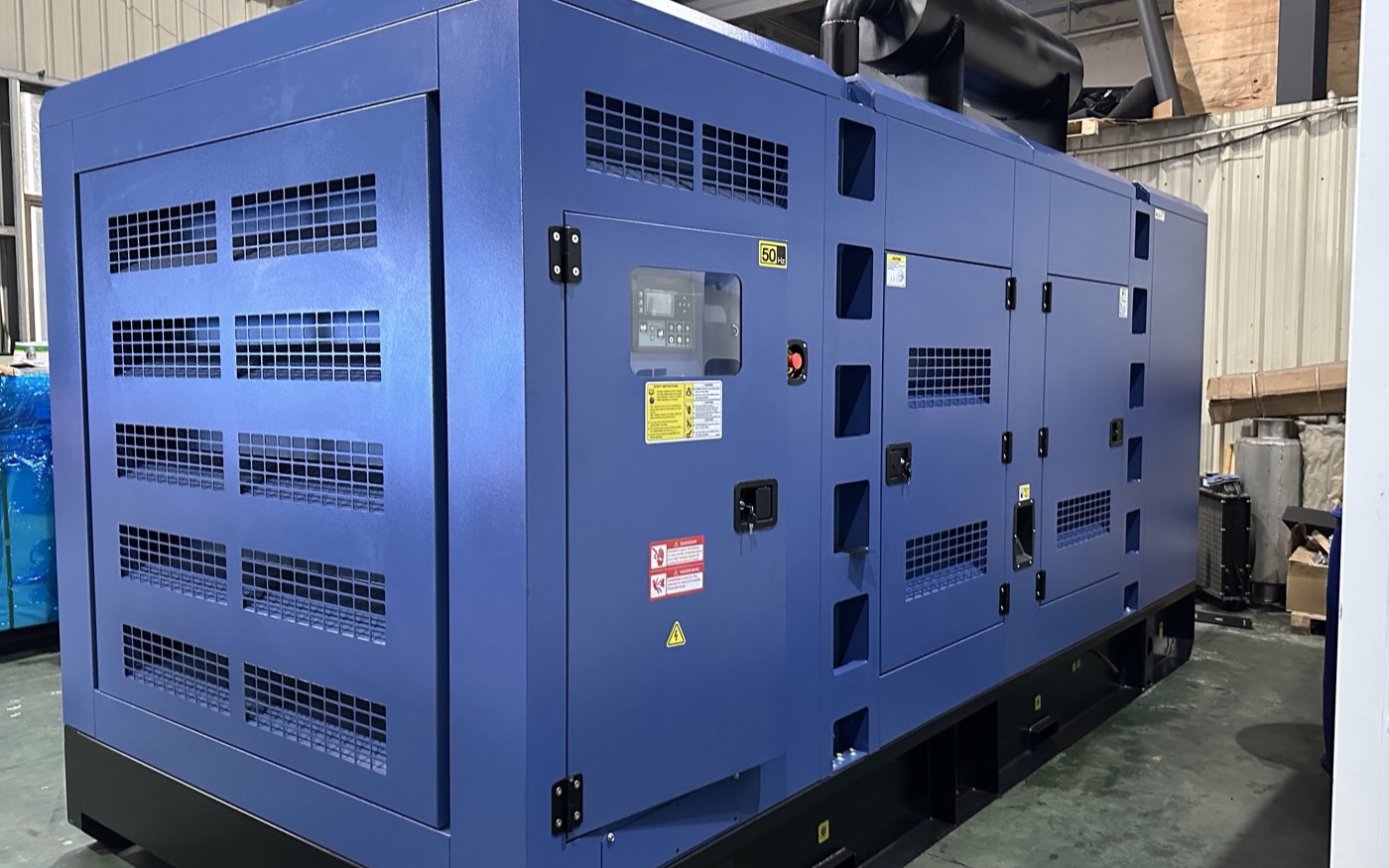
This page is for project and facility buyers who need a quotation based on real electrical priority. It does not present a fixed public price because center size, cooling demand and load zoning can vary widely.
Why diagnostic centers need a load-priority approach
Diagnostic centers often combine reception and office loads with cooling systems, refrigerators, pumps, IT equipment and higher-priority diagnostic equipment. Some buyers only need essential continuity, while others need a broader backup scope. That difference changes the right generator range.
The practical way to quote is to separate critical loads from non-critical loads and show whether the center needs automatic restart support through ATS.
Main quotation checks for backup planning
A good RFQ lists the high-priority electrical loads separately so the generator sizing conversation stays accurate.
| Load or scope item | Why it matters |
|---|---|
| Critical diagnostic equipment | Higher-priority equipment should be identified instead of being mixed into one total estimate. |
| Air conditioning and ventilation | Cooling can dominate the running load and motor-start requirement. |
| Refrigerators and pumps | These support loads can materially affect standby planning and ATS scope. |
| Office and reception circuits | Not every circuit may need to remain on during generator operation. |
| ATS and phased backup | Transfer logic can help prioritize critical areas without oversizing the package. |
How to send a better diagnostic-center RFQ
Share the center type, critical loads, air-conditioning demand, pumps, refrigerators, expected runtime, ATS logic and preferred shipping basis.
If you are also comparing clinic or hospital-adjacent projects, review the 10kW clinic guide, the ATS guide and the hospital-related application page.
FAQ
Can a diagnostic center generator be sized only from total running kW?
Not safely. Air conditioning, pumps, refrigerators and any major imaging or lab equipment should be listed separately because starting demand and backup priority can change the recommended generator size.
Is ATS important for a diagnostic center in Nigeria?
Usually yes. ATS planning helps restore selected critical loads more quickly after utility failure, but the final scheme depends on the building layout and power priority plan.
Should critical and non-critical medical loads be separated in the RFQ?
Yes. Separating reception, offices, cooling, refrigerators, pumps and higher-priority diagnostic equipment makes the quotation more accurate.